


Exploring Home Power Station Options: Portable Power Stations for Home Use
In today’s world, having a reliable power source at home is more important than ever. Whether it’s for emergency backup during outages, outdoor activities, or simply reducing dependence on the grid, portable power stations have become a popular solution. These compact devices offer convenience, versatility, and peace of mind. This article will explore various home power station options, helping you understand their features, benefits, and how to choose the right one for your needs.
Understanding Home Power Station Options
Home power stations come in different sizes and capacities, designed to meet a variety of power needs. They are essentially rechargeable battery packs with multiple outlets, allowing you to power or charge devices without plugging into the wall. Here are some common types:
Small Portable Power Stations: Ideal for charging phones, tablets, laptops, and small appliances. They usually have capacities between 100Wh and 500Wh.
Medium Power Stations: Suitable for running larger devices like mini-fridges, TVs, or power tools. Capacities range from 500Wh to 1500Wh.
Large Power Stations: Designed for extended power outages or off-grid living, these can power multiple appliances for hours or days. Capacities exceed 1500Wh.
When selecting a home power station, consider the wattage of the devices you want to power and how long you need the power to last. This will help you determine the capacity and output requirements.
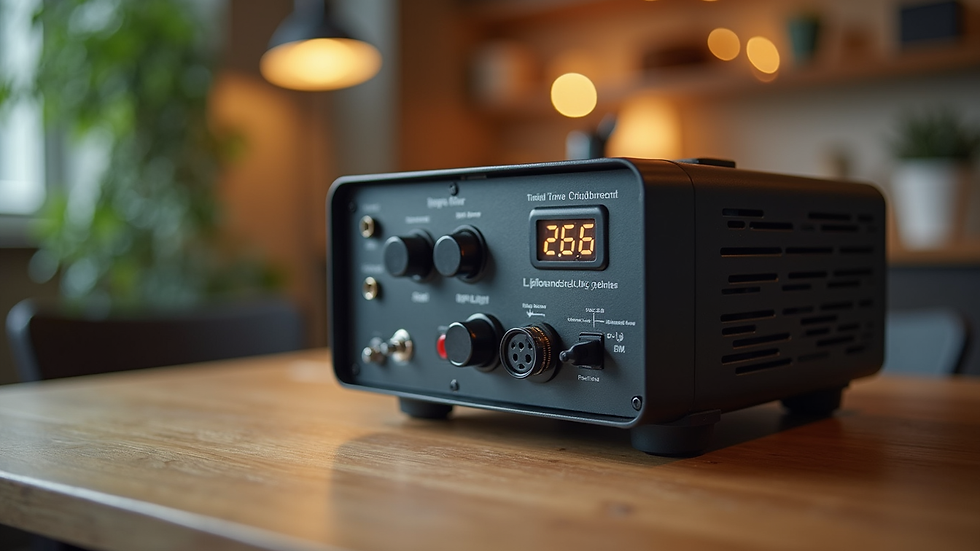
Key Features to Look for in Home Power Station Options
Choosing the right home power station involves evaluating several important features:
Battery Capacity and Type
Battery capacity, measured in watt-hours (Wh), indicates how much energy the station can store. Lithium-ion batteries are common due to their lightweight and long lifespan. Some models use lithium iron phosphate (LiFePO4) batteries, which offer enhanced safety and durability.
Output Ports and Power
Look for a variety of output ports such as AC outlets, USB-A, USB-C, and 12V DC ports. This ensures compatibility with different devices. Also, check the continuous and peak power ratings to ensure the station can handle your appliances.
Charging Options
A versatile power station should support multiple charging methods:
Wall outlet charging
Car charger
Solar panel input for renewable energy
Solar compatibility is especially useful for off-grid or emergency situations.
Portability and Design
Weight and size matter if you plan to move the power station frequently. Some models come with handles or wheels for easier transport. Also, consider the build quality and weather resistance if you intend to use it outdoors.
Safety Features
Look for built-in protections such as overcharge, over-discharge, short circuit, and temperature control to ensure safe operation.
Practical Uses of Portable Power Stations at Home
Portable power stations are incredibly versatile. Here are some practical examples of how they can be used around the house:
Emergency Backup Power: Keep essential devices like phones, lights, and medical equipment running during power cuts.
Outdoor Activities: Power camping gear, portable fridges, or charge devices while enjoying nature.
Remote Work: Use as a reliable power source for laptops and Wi-Fi routers in areas with unstable electricity.
Home Improvement Projects: Run power tools in locations without easy access to outlets.
Energy Savings: Combine with solar panels to reduce electricity bills and carbon footprint.
Using a portable power station for home use can provide flexibility and security in many situations.

Tips for Maximising the Efficiency of Your Home Power Station
To get the most out of your home power station, consider these actionable recommendations:
Calculate Your Power Needs: List all devices you want to power and their wattage. Multiply by the hours of use to estimate total energy consumption.
Choose the Right Capacity: Select a power station with a capacity slightly higher than your calculated needs to avoid overloading.
Use Energy-Efficient Devices: Opt for LED lights and energy-saving appliances to extend battery life.
Charge Smartly: Recharge the power station fully before use and avoid letting the battery drain completely.
Maintain Your Battery: Store the power station in a cool, dry place and charge it every few months if not in use.
Combine with Solar Panels: If possible, integrate solar charging to keep your power station topped up sustainably.
Future Trends in Home Power Station Technology
The market for home power stations is evolving rapidly. Here are some trends to watch:
Improved Battery Technology: Advances in solid-state batteries promise higher capacity and faster charging.
Smart Features: Integration with apps for monitoring battery status, energy consumption, and remote control.
Modular Systems: Expandable battery packs that allow users to increase capacity as needed.
Eco-Friendly Materials: Focus on sustainable manufacturing and recycling options.
Hybrid Systems: Combining power stations with home solar and wind energy setups for complete off-grid solutions.
These innovations will make home power stations even more accessible and efficient in the near future.
Making the Right Choice for Your Home
Selecting the best home power station depends on your specific needs and lifestyle. Start by assessing your power requirements and budget. Research brands and read reviews to find reliable models with good customer support. Remember to consider portability, charging options, and safety features.
By investing in a quality home power station, you gain a versatile tool that enhances your energy independence and preparedness. Whether for emergencies, outdoor adventures, or everyday convenience, these devices offer a practical solution for modern living.
Explore the full range of portable power station for home use options to find the perfect fit for your home today.


.png)
Comments